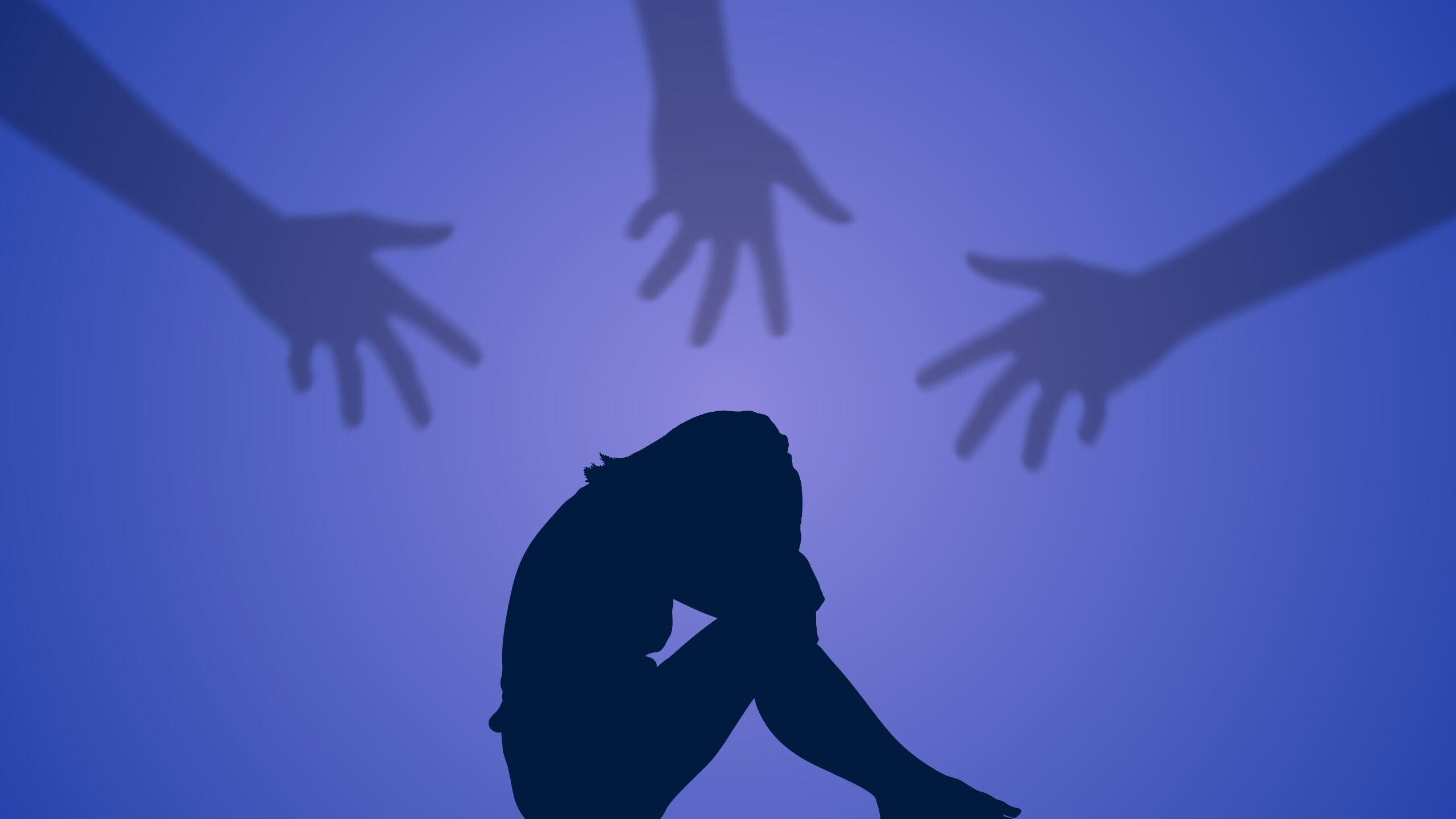
In many small workplaces, harassment is too often dismissed as a misunderstanding and taken as a joke. Amelia Brown, who is 18, has been working a part-time job at her local takeaway since the age of 15. There, she has faced generalised sexual misconduct and was taught to stay silent about it.
Brown said: “I experienced sexual assault by the boss on numerous occasions.” Most of the staff behind the counter were young girls and despite privately discussing their concerns and discomfort, they felt there was no proper management to report these issues.
“There was no one higher up to speak to; it was a small business,” said Brown.
The lack of professionalism and accountability made it easier for unacceptable behaviours to be brushed off and treated as harmless banter,
“It was normal at the time,” she said. “So, I didn’t really think much of it.”
In one situation, a moment of light-hearted interaction quickly turned inappropriate. “I took his cap off and threw it. We used to joke like that with the boss … and he slapped my ass.”
Brown remembers blaming herself, she explained: “At the time, I thought, ‘oh well, I shouldn’t have done that’ … but he shouldn’t have been doing that in general.”
Brown says that she wasn’t the only one targeted.
“This happened to two of the girls, he would say, ‘How much can I pay you for half an hour of sex?’ I don’t know if they were OK with it.”
On occasion, coworkers can make the situation worse. A woman in her 30s would harass Brown by jokingly trying to pull her top down in front of guys. She explained: “She flashed me in front of people.”
The coworkers treated it as a joke, but Brown felt very uncomfortable, “It was weird.” Being the youngest employee at the time added to the vulnerability she felt.
The issue goes beyond the job, she said: “It’s men or whoever makes you uncomfortable, it’s the same thing, you kind of expect it to happen.”
This expectation reflects a wider societal issue. Many women are conditioned to downplay their experiences in fear that they will be seen as not being able to take a “joke” and overreacting.
Several women don’t report sexual harassment, not because it isn’t serious but because they’ve been made to believe it’s not.“
When that stuff happened to me, I didn’t see that as serious,” Brown said. “But if someone else told me that happened to them, I’d say ‘that’s not ok’.”
Brown advises others to speak up and take action, if possible. “If you’re in that situation, tell someone about it.” But she acknowledges how hard it can be when the systems meant to protect you simply aren’t available, or worse, society just doesn’t care.
Brown mentions a woman working in the government industry whose boss was sexually harassing her for years. She explains: “She is traumatised by it; she had to get counselling.”
Brown believes the incident was reported, but changes weren’t made. She said: “These things are still happening. It doesn’t feel like much has happened to change it.”
*Name changed to protect privacy*

